
Field updates: part one
Project OPM/2024/46823 Rabies and One Health: prevention and control in Guinea-Bissau
Between April and August 2025, the project “Rabies and One Health: prevention and control in Guinea-Bissau” took its first operational steps in the country, achieving encouraging results both on the institutional front and in raising public awareness.
The activities, promoted by Veterinari Senza Frontiere Italy in collaboration with the Cooperativa Médico-Sanitária Madrugada of Bissau, the local partner, and with the Associazione per la Collaborazione allo Sviluppo di Base della Guinea-Bissau of Verona, the Italian partner, aimed to strengthen rabies prevention and control through an integrated approach to animal and human health.
The inter-institutional workshop: a working table for the future
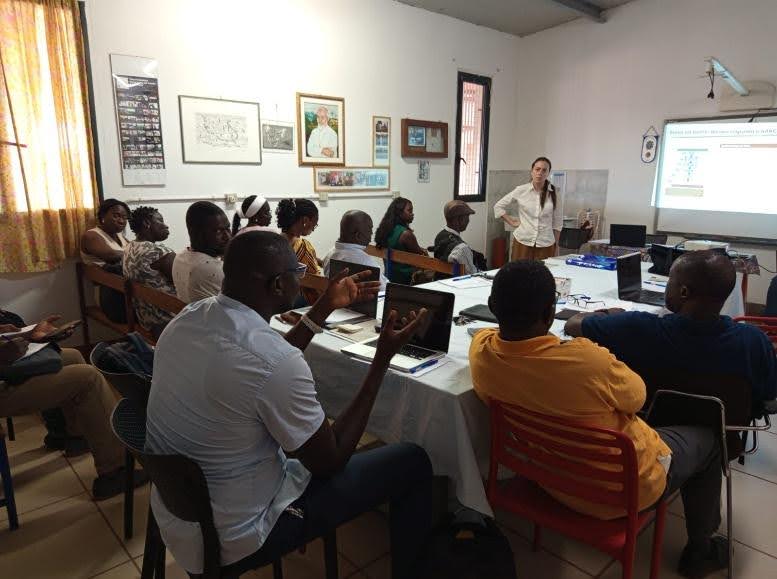
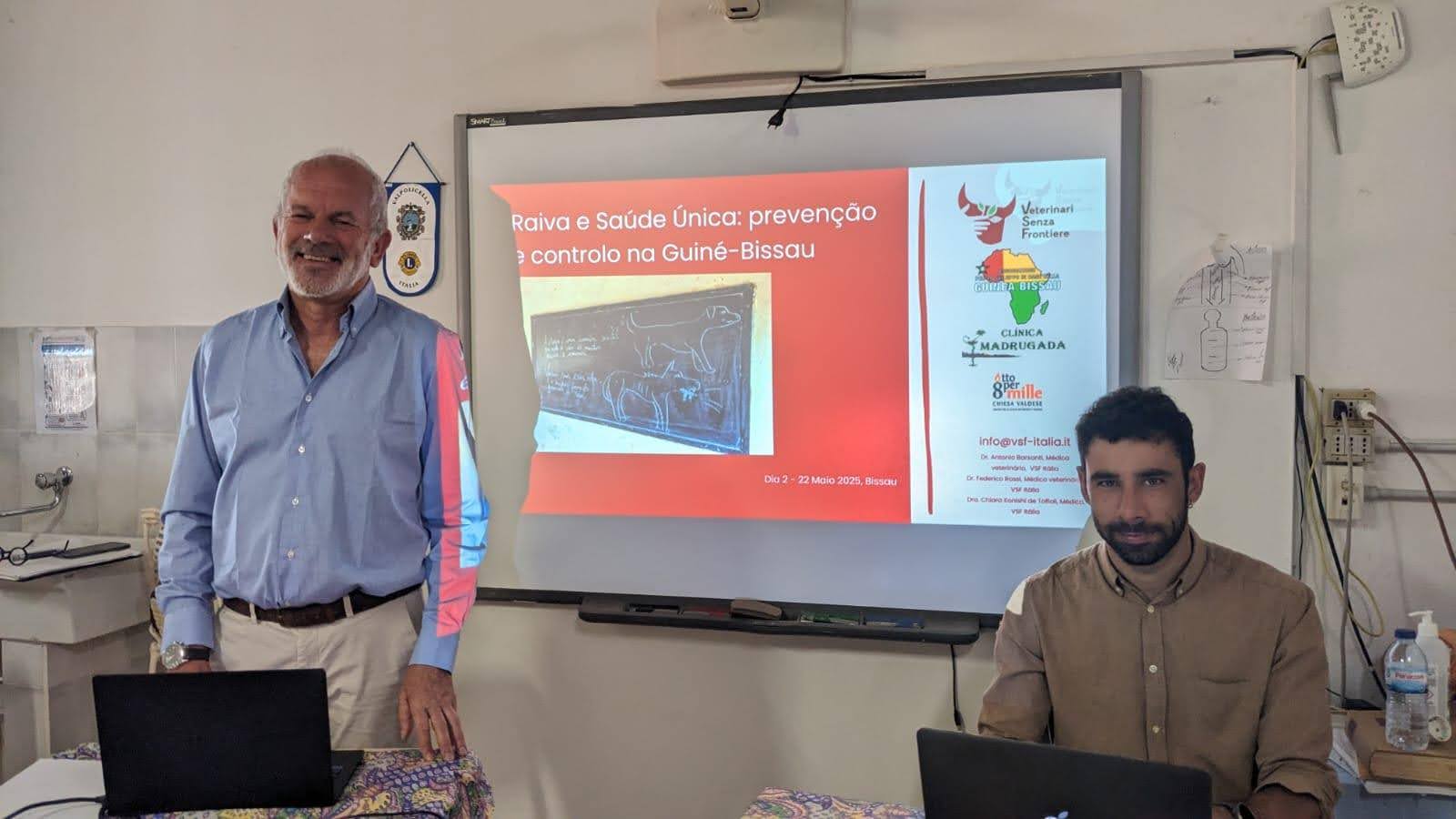
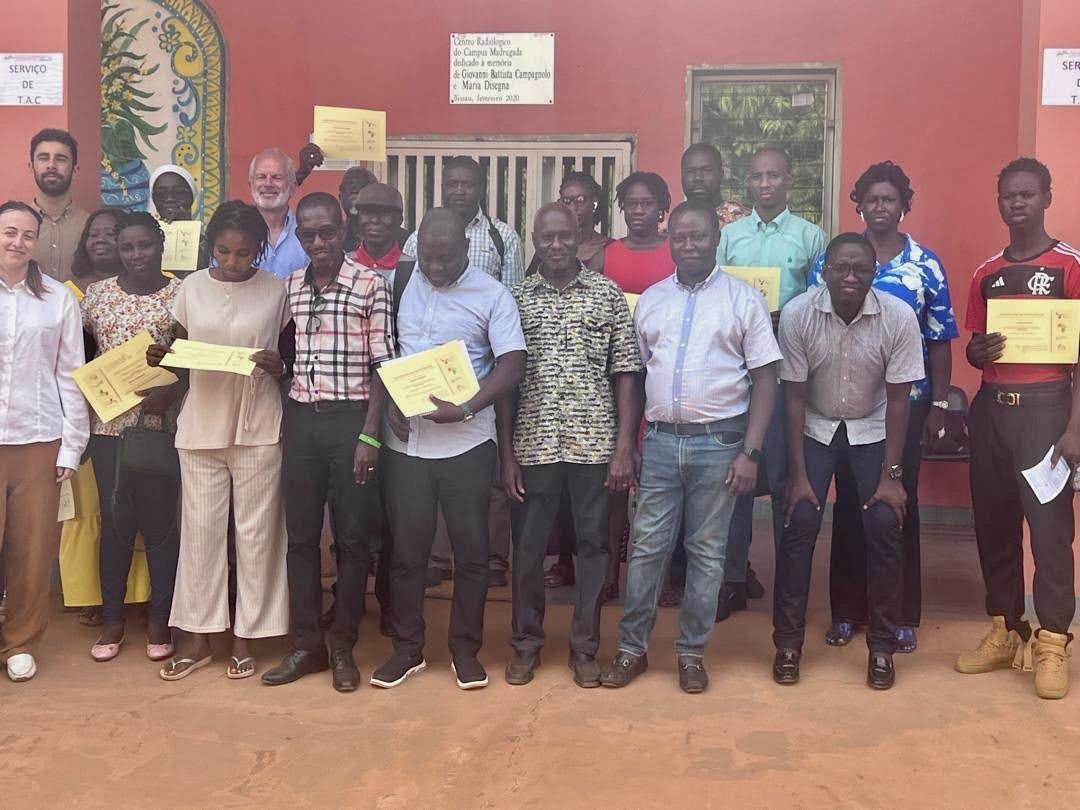
On 21 and 22 May, the workshop “Raiva e Saúde Única: Prevenção e Controlo na Guiné-Bissau” was held at the Madrugada Clinic, bringing together representatives of the Ministry of Health, Environment and Education, the General Directorate of Livestock (the local veterinary authority), the National Institute of Public Health (INASA), the Municipal Council of Bissau, the Institute of Biodiversity and Protected Areas (IBAP), and the World Health Organization.
The meeting made it possible to:
- Take stock of current legislation and the critical issues in rabies management;
- Identify the main gaps in human and veterinary surveillance systems;
- Share experiences and field data;
- Start establishing a technical inter-institutional working group in charge of drafting a National Strategic Plan for the Prevention and Control of Rabies.
Among the priorities identified: relaunching canine vaccination campaigns, improving data flow between human and veterinary health systems, and promoting targeted community awareness campaigns, with particular attention to children.
Education and awareness
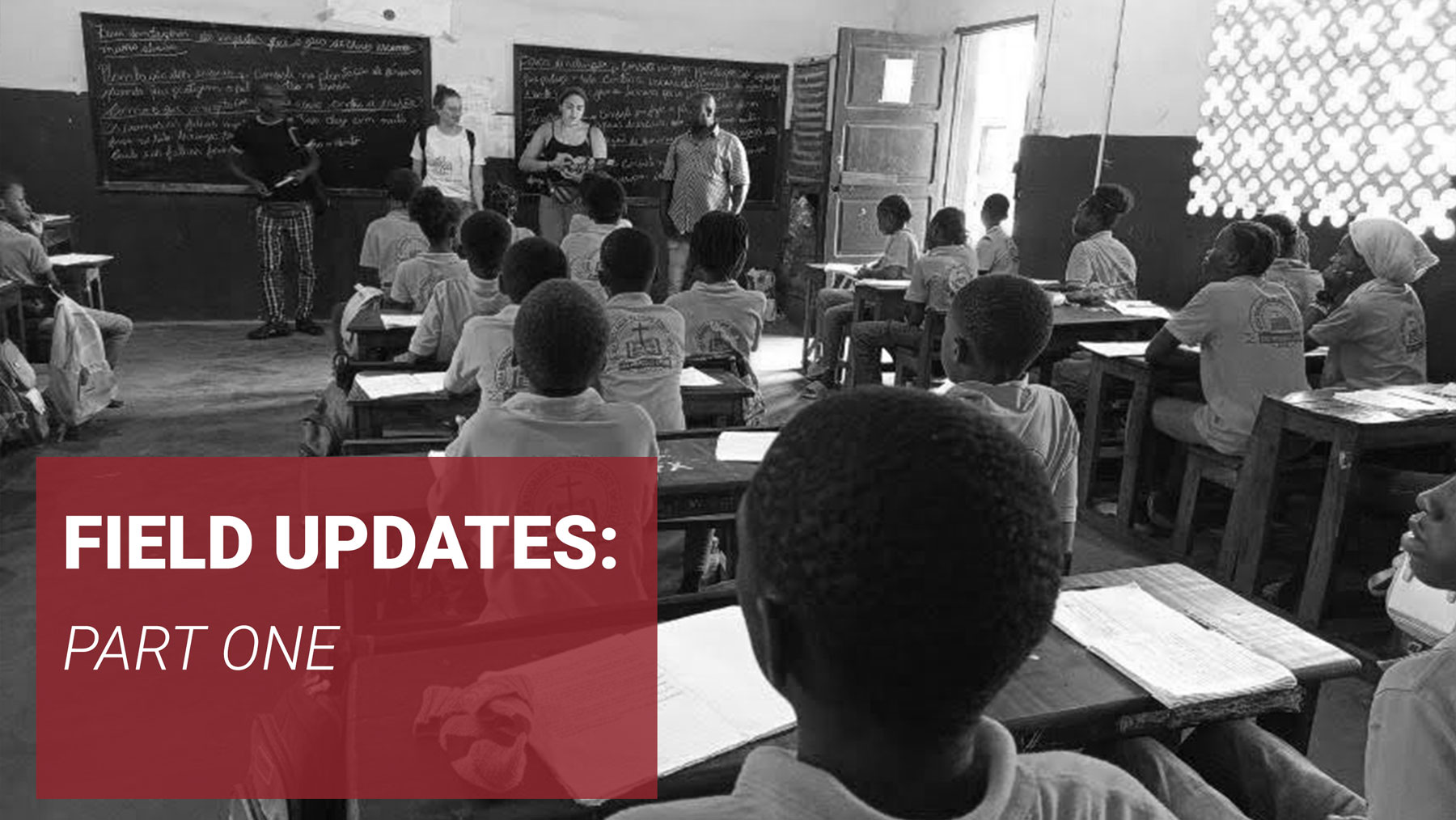
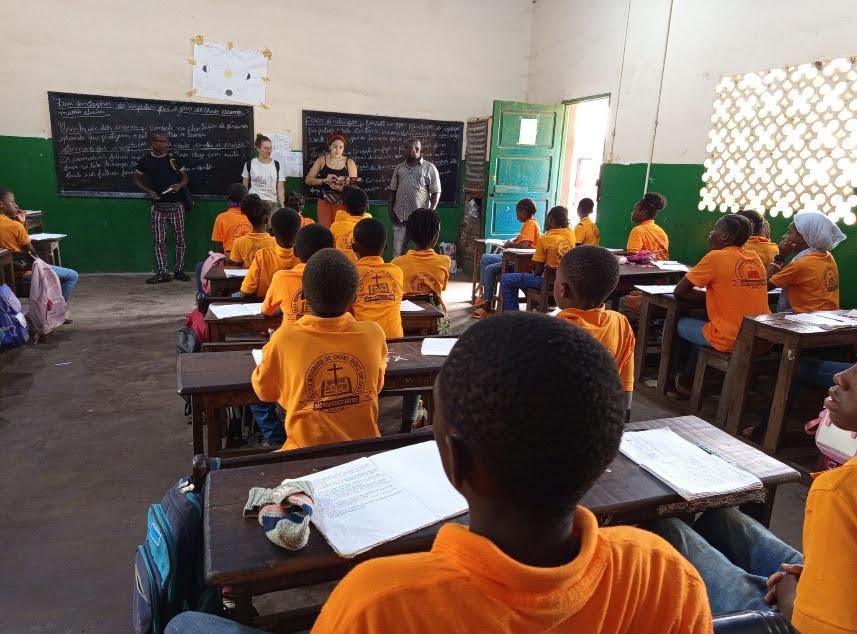
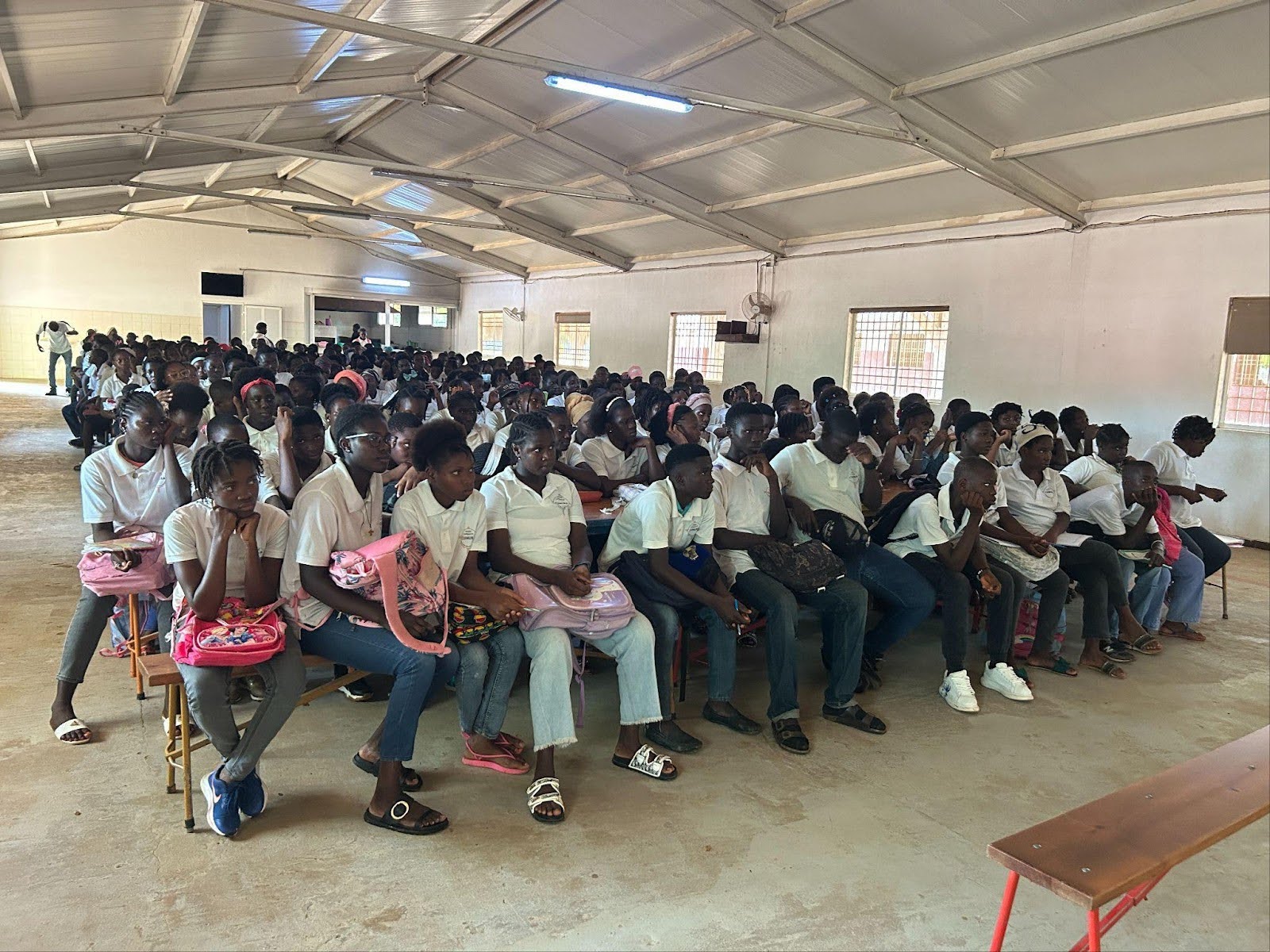
At the beginning of June, health education activities were carried out, involving over 1,250 children and young people aged 2 to 17 in various locations across the country (Bissau, Bafatá, Quinhamel and Cumura).
The lessons in schools, held in collaboration with local teachers, addressed topics such as:
- what rabies is and how it is transmitted;
- how to prevent bites;
- what to do in case of a bite;
- the importance of vaccination for people and animals.
Educational videos in Creole, leaflets provided by the Global Alliance for Rabies Control (GARC), and simplified teaching materials were used. Radio broadcasts produced with Radio Sol Mansi Bissau and Radio Sol Mansi Bafatá reached a national audience, delivering messages on rabies prevention, zoonoses, and foodborne diseases.
Data collection and field surveys
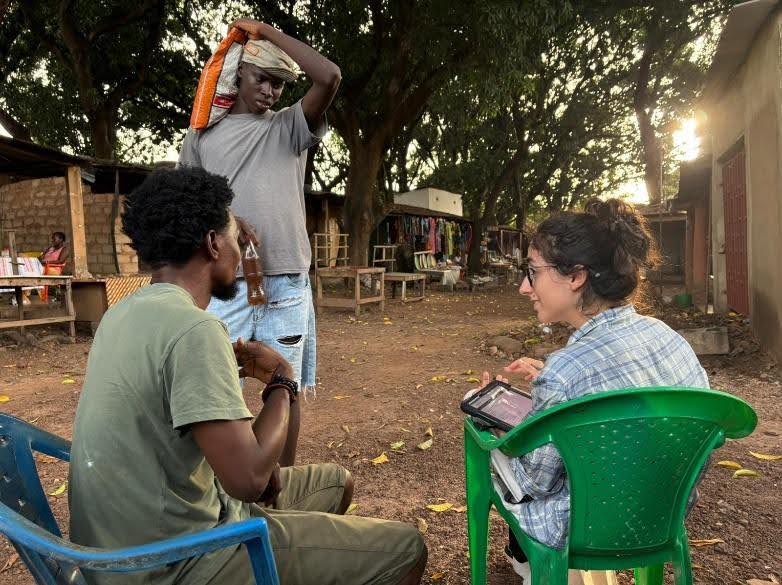
Between July and August, another mission led by a senior veterinary professional and two veterinary medicine students conducting their thesis work, further investigated the territory through an extensive knowledge survey using questionnaires administered in six regions (Bissau, Cacheu, Bafatá, Gabú, Quinara and Biombo).
The survey involved health workers, veterinary technicians, and citizens, both adults and children, to understand perceptions of rabies, post-bite behaviour, and access to vaccines.
The questionnaires highlighted:
- a fair knowledge of the disease in urban areas (especially Bissau), but persistent traditional beliefs and risky practices in rural areas and tabankas;
- the lack of clear protocols in health centres for managing bite cases and the frequent confusion between tetanus and rabies vaccines;
- a perceived prohibitive cost of vaccines, the main obstacle to access for both people and animals;
- a strong willingness among the population to vaccinate dogs if prices were more affordable;
- the almost total absence of digital registers for reporting cases, with the exception of the Gabú region, which represents a positive model for data collection and management.
During the mission, information was also collected on vaccine supply sources, flows between health centres and the General Directorate of Livestock, and post-bite pathways followed by patients, contributing to an updated mapping of the health and veterinary response system in the country.
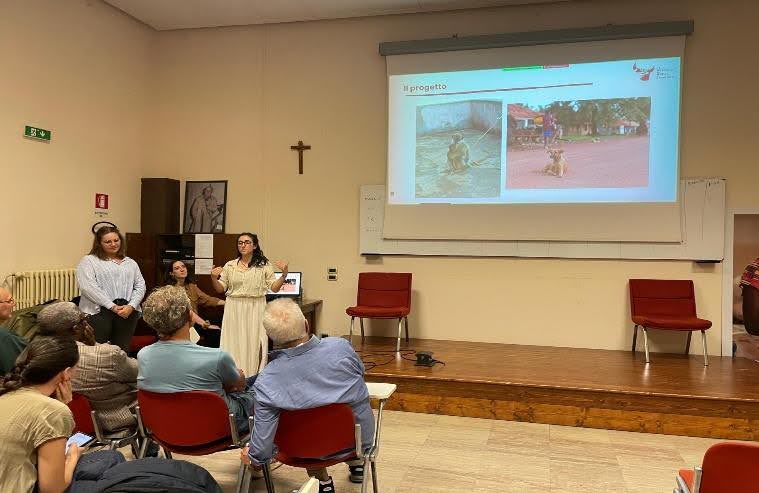
The students’ work was later presented during an awareness event organised in Padua, at the CUAMM headquarters, where they shared their field experience with students, professionals, and interested citizens, illustrating the challenges of rabies management in Guinea-Bissau, a veterinary-relevant but neglected disease in Italy.
Collaboration and prospects
During the mission, contacts with the General Directorate of Livestock and with vaccination centres in Bissau were strengthened. The proposal was also made to equip a structure within the Madrugada centre as a training facility for veterinarians and technicians, and to establish a stock of medicines to support field activities.
A collective effort for shared health
The project helps demonstrate how collaboration among veterinary professionals, doctors, health workers, institutions, and local communities is the key to effectively addressing rabies and other zoonoses.